NRF Basic Research Laboratory, Pioneer type (BRL)
Concrete that stores carbonand senses itself.
We develop biochar-graphene-based conductive carbon-sequestering cement composites, apply them to structural members, secure structural safety, and bring economy and eco-friendliness to maintenance, pioneering sustainable structural maintenance technology.
Development of Carbon-Sequestering Concrete Using Biochar-Based Graphene and Its Application in Structural Components · Basic Research Laboratory (Pioneer type), National Research Foundation of Korea (NRF) · Project period 2024.08 to 2027.04
Mission
Final goal
We develop biochar-graphene cement composites to establish their carbon-sequestration effect, and use self-sensing concrete to develop real-time structural maintenance technology. This is pioneering research that combines eco-friendliness, high performance, and sustainability in one new concrete material.
Sub-goals
- 01 Develop graphene-based conductive carbon-sequestering cement composites by converting biochar
- 02 Develop material models and analysis methods for the new concrete material
- 03 Evaluate and improve the structural and maintenance performance of conductive carbon-sequestering concrete
Required performance
Three required-performance axes
We pursue eco-friendly carbon sequestration, high-performance conductivity and self-sensing, and sustainability through continuous structural monitoring, all at once.
- 01 Eco-Friendly
Carbon sequestration
Efficient biochar-graphene production, maximized carbon sequestration, and conductivity evaluation.
- 02 High Performance
Conductivity and self-sensing
Imparting conductivity and developing and evaluating damage detection through self-sensing.
- 03 Sustainability
Continuous structural monitoring
Real-time damage detection and maintenance through structural performance and conductive-sensor monitoring.
Research teams
Three research teams
Four researchers form three teams organized around new-material development, application, and analysis.
- 01
Team 1
Choi · Park
Biochar-graphene carbon-sequestering cement composites and materials performance
- 02
Team 2
Choi · Seok
Self-sensing performance of conductive carbon-sequestering concrete and its application
- 03
Team 3
Seo · Seok
Application of conductive carbon-sequestering concrete to structural members, with analysis
- Year 1 Biochar-graphene cement composite and sensor development; structural performance of commercial-biochar RC members
- Year 2 Composite durability and performance; improved self/electrical conductivity; RC member performance and rebar-anchorage FE model
- Year 3 Carbon-sequestering RC member performance and material model; long-term-sensing maintenance and analysis model
Outcomes
Annual targets and expected impact
We set clear annual targets for papers, patents, and researcher training, aiming at construction-sector carbon reduction and the world-first development of a biochar concrete material model.
See the outcomesProduction and application
Biochar production and composite testing
A continuous pyrolysis line produces biochar at scale as feedstock for graphene modification, which is then fabricated into cement composites for testing. Production and application form one loop.
-
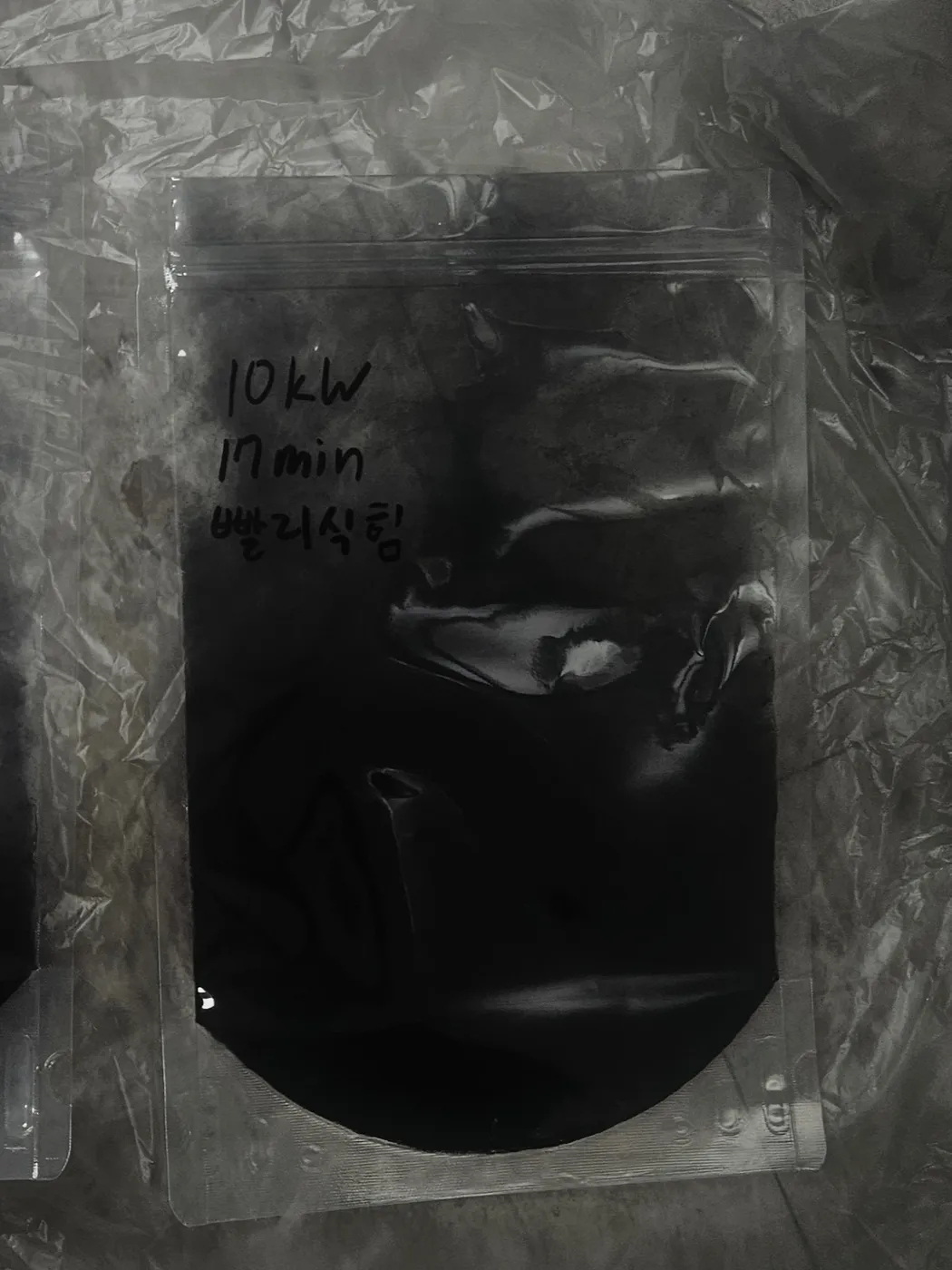
Biochar production for the composite: continuous pyrolysis line -
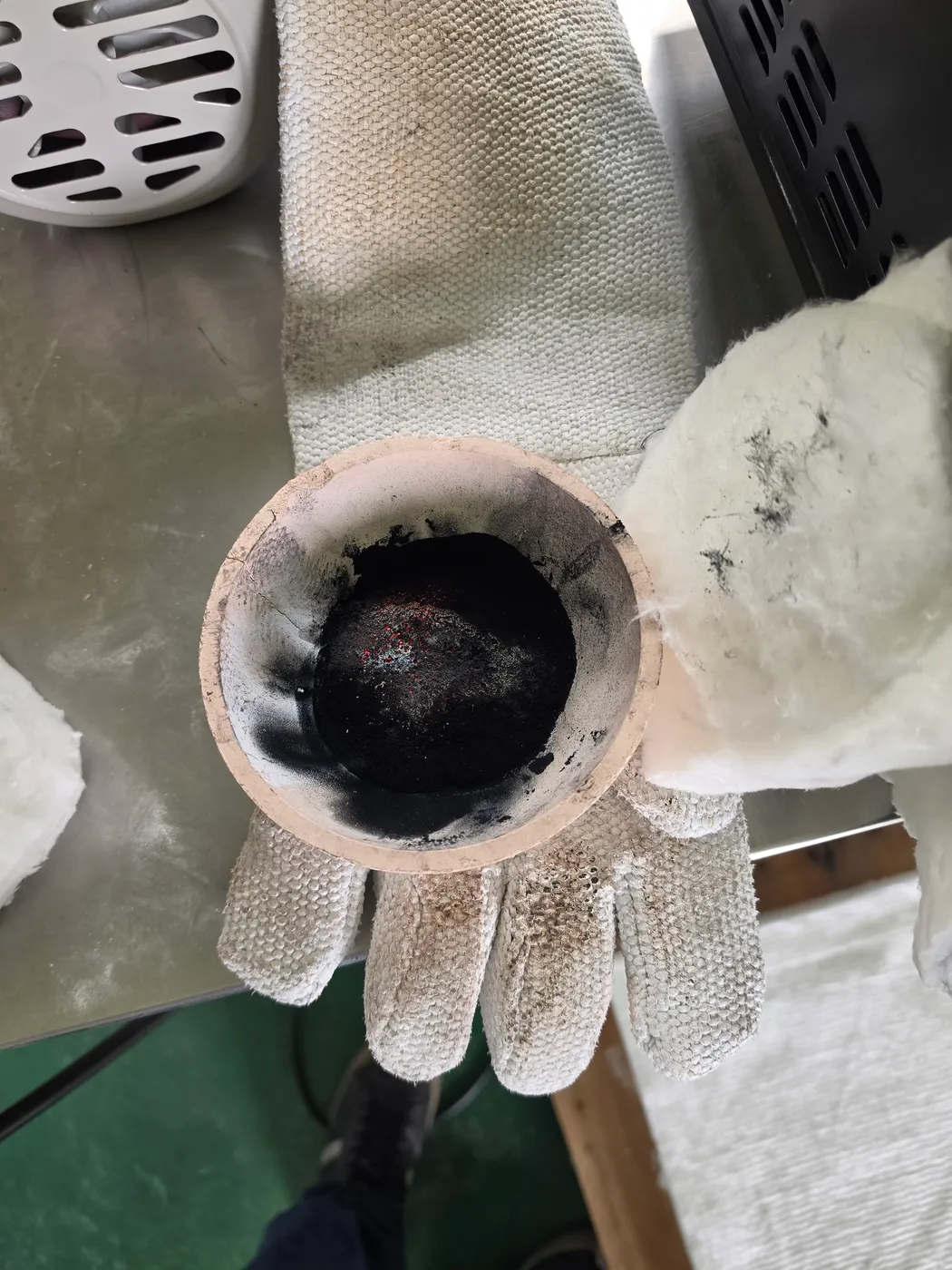
Biochar production for the composite: pyrolysis process -
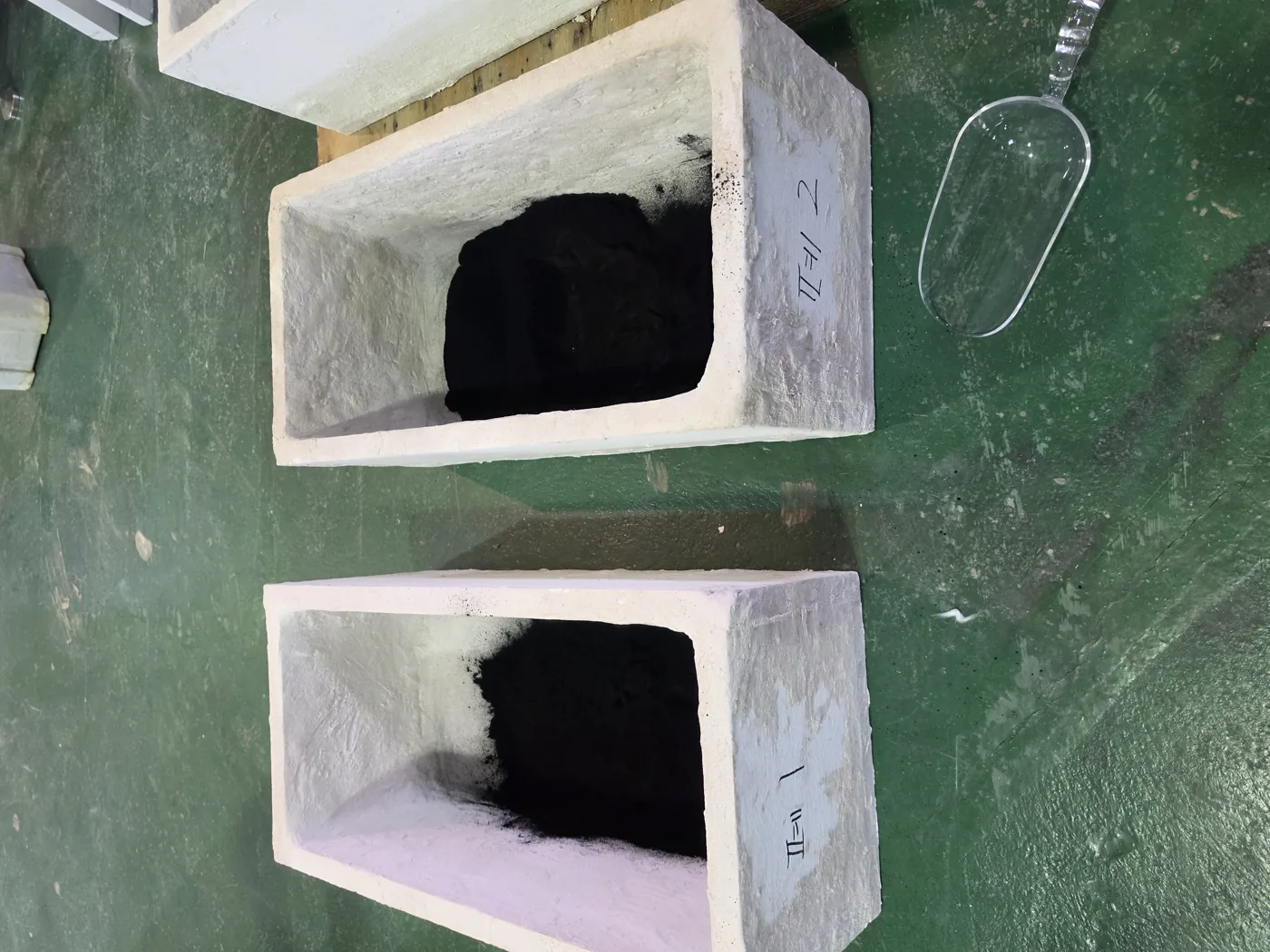
Biochar produced in refractory crucibles
Global network
International collaboration
We build a global network with international researchers in nanocomposites, graphene scale-up, and computational fluid dynamics.
- Kin Liao
- Toheed Akhtar
- Donghyun Kim
News
Latest news
- Offline workshop
- BRL biochar concrete monthly meeting
- BRL biochar concrete monthly meeting
- Special session, KSMI fall conference
Partners
Participating institutions
- Lead Gachon University
- Korea National University of Transportation (KNUT)
Collaboration and data inquiries
Research institutions, companies, and agencies interested in our data, methodology, or collaboration are welcome to contact the laboratory.
Get in touch